



What to Look for When Shopping for a Used Ford F-150
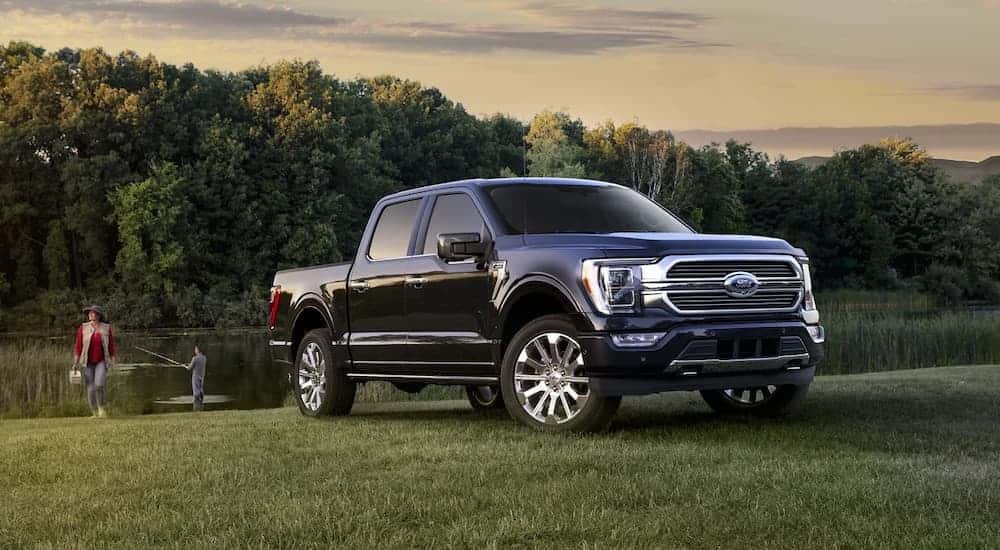
The iconic Ford F-150 pickup dates back to 1948, when Truman was president and NASCAR was first founded. In the decades since, the F-150 has cemented its place as the leading full-size pickup in America. But with new-vehicle prices higher than ever, many buyers are opting for used trucks for sale near Oak Ridge to save cash and increase value.
Buying used is a smart choice, especially when you have a good understanding of the F-150’s generations and available features and capabilities. While most buyers aren’t thinking of a first-gen F-Series (1948-1952), many focus on the tenth generation and more recent versions. (Most F-150 generations span four to five years—a testament to Ford’s commitment to evolution and innovation.)
With so many choices across multiple model years, which iteration of the F-150 do we believe offers the best mix of features and capability? Luckily, the answer is a lot of them! This guide reviews the most significant changes over the years, as well as the factors used F-150 buyers should consider when choosing a used truck to purchase.
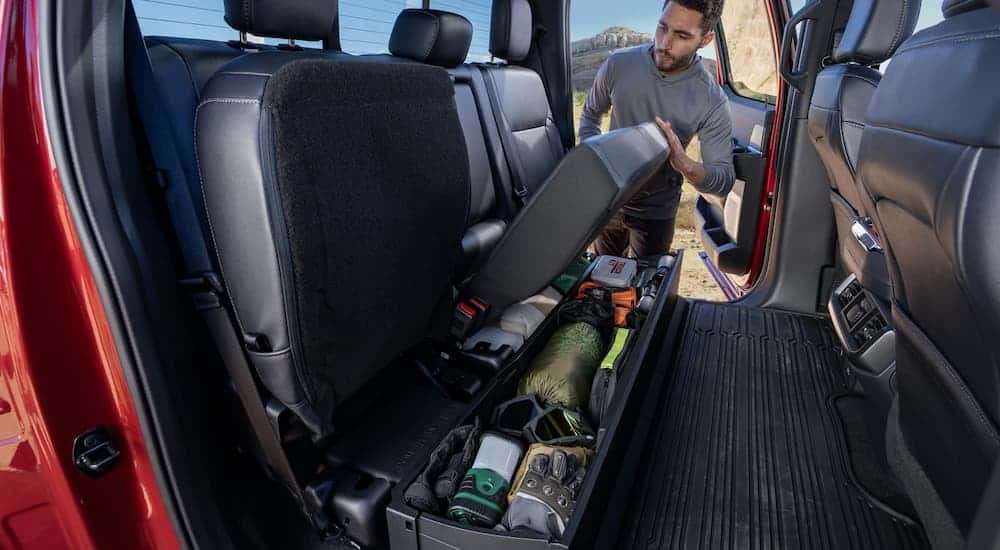
Standout Trim Levels & Features
The Ford F-150’s tenth generation (1997-2004) represented a major technological shift, along with a more modern exterior design and greater creature comforts in the cabin. The eleventh gen focused on improvements to handling and added even more amenities to the top trims. The twelfth generation upsized the F-150 and added a Platinum trim with greater luxury. Then, for the truck’s thirteenth generation, Ford opted for lighter-weight aluminum body panels and brought back the aggressive Raptor trim.
Throughout the generations, Ford has retained a few core trim levels that align with specific driver needs:
XL: The F-150’s base trim anchors the lineup as an affordable truck equipped with the essentials for typical pickup capability. The interior is simple—vinyl flooring, minimal bells and whistles—but buyers can choose rear-wheel or four-wheel drive, various cab and bed configurations, and extra equipment via optional packages.
XLT: This second-tier trim blends capability with a few bonuses, making it a popular choice for used F-150 buyers. Ford adds more comfort and convenience features without tacking on a significantly higher price tag. This remains one of the F-150’s most popular trims because it sits at a favorable intersection of substance and value.
Lariat: If you’re looking for more premium cabin features, this mid-level trim is a good choice. Typically, the Lariat includes upgrades like leather upholstery and, in newer model years, additional technology features. Think of the Lariat as the entry-level luxury F-150 trim—a great choice for used buyers looking for additional creature comforts.
King Ranch: This specialty trim leans toward a Western theme, with trim-specific cabin finishes, wood accents, and unique exterior and interior color combinations. The King Ranch looks like you’d imagine: very Western, but in an owner-of-the-ranch kind of way. It’s an upscale trim with characteristics that give it a unique curb appeal.
Platinum: This luxury trim was introduced in 2009 and includes a plethora of upscale finishes, such as more exterior chrome accents. This trim works well for folks seeking a slick daily ride or for families who’d rather have a pickup than an SUV but don’t want to compromise on comfort.
Raptor: This aspirational F-150 outfit emphasizes speed and power. Typically wider and equipped with a performance-oriented suspension, the Raptor comes with a more powerful engine and unique exterior decals. As an example, the 2020 Ford Raptor features a 450-hp twin-turbo V6 and is capable of towing up to 8,000 lbs.
Tremor: This trim is more recent, having launched in 2021, and it suits niche buyers who want a true off-road-ready rig. You’ll find Raptor features that contribute to better performance on the road, as well as off-road features that make rock crawling and navigating backcountry trails a breeze, including a higher ground clearance. Fancy extras include a Bang & Olufsen 18-speaker audio system and heated, ventilated front seats.
Engine Options Over the Years
Since 2011, Ford has offered the reliable 5.0-liter V8 engine (known as the “Coyote”), which is the same engine found in the performance-oriented Ford Mustang GT. Its horsepower ratings continued to increase over multiple model years, ranging from 360 hp (2011-2014) to 400 hp (since 2021). For truck buyers who like the idea of a “big V8,” you’ll have no trouble finding a used F-150 with this engine, as it’s been around for well over a decade.
Ford’s EcoBoost engines combine power with greater fuel economy, which is good news for daily drivers. Specifically, the 3.5-liter V6 relies on twin turbochargers to deliver 400 hp and 500 lb-ft of torque in newer models. While some pickup truck buyers wonder why they’d opt for a V6, it’s worth noting that this engine offers the greatest towing capacity, up to 13,500 lbs. An EcoBoost even powers most Raptor trims!
Speaking of the Raptor, Ford more recently produced a special Raptor R variant equipped with an insanely powerful 5.2-liter supercharged V8 engine, which delivers as much as 720 hp and 640 lb-ft of torque. This aluminum V8 is relatively lightweight, enhancing speed and performance on the road. (For context, this incredibly powerful engine is the same engine found in the Shelby GT500.)
Connectivity & Safety Tech Upgrades
At the top of the list of Ford’s safety innovations is the aluminum body introduced in the 2015 model year (the first year of the 13th generation). Ford was among the first truck manufacturers to switch from steel to aluminum, and this military-grade lightweight metal reduced the F-150’s heft by nearly 700 lbs, enabling better fuel efficiency and increased payload capacity.
Ford introduced its driver assistance safety suite, Ford Co-Pilot360, in 2019. Supported by a complex array of radar, sensors, and connected capabilities, Ford Co-Pilot360 includes emergency braking, blind-spot monitoring, and various trailering technologies designed to make hitching and hauling safer and easier. Other features include lane-keeping alerts that notify the driver when the truck drifts out of its intended lane.
In 2021, Ford launched BlueCruise, its self-driving feature that enables hands-free driving on compatible highways. Once cruise control is enabled, this subscription-based service senses the lane dividers and keeps the F-150 centered in its lane. It also monitors ongoing traffic speeds and automatically adjusts to keep a safe distance from the vehicle ahead. BlueCruise can also autonomously change lanes when the driver activates the signal.
Why the Best-Selling F-150 Remains the Top Choice
Over its many generations, the F-150 has led in innovation and evolution. Many consider the F-150 the standard-setter, as evidenced by its best-selling status: for half a century, the Ford F-150 has remained the best-selling truck in America. Not only that, but it’s been the best-selling vehicle overall for more than 40 years, until 2025. That fact alone should reassure used F-150 buyers that they’re purchasing a highly capable rig!
Each F-150 generation improves on the last, but even older F-150s offer incredible durability and longevity. Whether you’re on the hunt for a more value-priced truck or you’re scouring the market for a like-new lease return, you’re in good company; the best course of action is to decide first what level of luxury you want, followed by your capability needs. Thanks to a robust trim lineup, it’s easy to find a full-size Ford truck with everything on your wish list.



0 comment(s) so far on What to Look for When Shopping for a Used Ford F-150